ICEVI European Newsletter
ISSN Number 2666-1527
Issue 87, Volume 31 number 2, Fall 2025
Coordinated by Andrea Hathazi ahathazi@yahoo.com
Edited by Stephen McCall s.mccall@bham.ac.uk and
Martha Gyftakos mgyftakos@yahoo.com
Designed by Istvan Mozes webmaster@icevi-europe.org
Subscription:
If you want to subscribe for ICEVI European Newsletter, or to stop receiving it, please send an e-mail message to: webmaster@icevi-europe.org.
Content:
President’s Message: Inclusion in Action Across Europe
“Getting Ready for the New Course” Program for Developing School Based Skills
The First Inclusive Municipal Park in Padua "ALBERO DEL TESORO" is Now Open!
Seeing Beyond Barriers: Inclusion and Awareness in Schools of Kosovo
European Blind Union (EBU) - A Report from the International Computers and Communication Camp (ICC)
President’s Message: Inclusion in Action Across Europe
As we bring another vibrant year to a close, I am inspired by the stories our community has shared—stories of learning, co-design, innovation, and the everyday courage of students, families, and professionals across Europe who are building truly inclusive learning environments. The articles in this issue illuminate a powerful common thread: when we design with inclusion in mind—inside and outside the classroom—students with visual impairments thrive, peers and teachers grow in understanding, and communities become more welcoming for all
From Spain, ONCE offers two exemplary snapshots of inclusion that is both joyful and rigorous. First, a group of eleven teenagers embarked on a week-long French language immersion in Nantes. With mornings spent in accessible, oral-focused language classes and afternoons exploring the city’s culture—including tactile encounters at the Natural History Museum, immersive learning at the Castle of the Dukes of Brittany, and the wonder of Les Machines de l’Île—students practiced language in real contexts while building independence, confidence, and cultural literacy. The experience demonstrates a key principle: accessible design and thoughtful preparation transform travel and culture into powerful pedagogies.
Second, the “Getting ready for your new course” program shows how targeted skill-building smooths transitions into the school year. Primary and secondary students strengthened two areas that often present barriers: mathematics—with tools like EDICO—and accessible technology as a gateway to autonomy and information. The program also broadened learning through art and music technology (including MuseScore), hands-on science, safety and daily living skills, adapted sports, and social activities. This is inclusion as a holistic practice: academic rigor coupled with practical, social, and creative dimensions of learning.
In Italy, the new inclusive municipal park “Albero del tesoro” in Padua stands as a model of community-led universal design. Co-created over nine years with the city, the Robert Hollman Foundation, 17 disability and social service organizations, and more than 1,300 children, the park integrates play, social connection, sensory exploration, and fitness across 9,000 square meters. Tactile maps at entrances, surface and colour cues for orientation, suitable ramp and structure dimensions, and varied play experiences demonstrate how environmental design can remove barriers before they arise. Grounded in the UN Convention on the Rights of the Child and aligned with the Sustainable Development Goals, the park reminds us that the right to play is foundational—and achievable—when communities design for diversity from the start.
From Barcelona, CRE ONCE shares an expansive strategy for inclusion through collaboration, training, and co-development. Their work engages schools, publishers, research institutes, technology companies, and government to ensure accessibility in both physical and digital learning. Practical achievements include:
Enhancing ScratchJr Tactile so that early programming becomes accessible through tactile pieces and Braille support—an inclusive alternative to a popular but otherwise inaccessible app. Demonstrating accessible coding with Micro:bit, including programming in Python by blind students, and advocating for design features that improve usability. Partnering with IBEC to make science outreach inclusive, from accessible microscopy experiences to 3D models, tactile graphics, and tools like EDICO for math. Training teachers at the Open Institute of Catalonia (IOC) to create accessible digital materials, improving the experience of students in online learning environments. As well as connecting science with lived experience through the UPC “Fisidabo” project, where students studied the physics of a Pirate Ship ride using tactile 3D models, accessible measurement apps, and applied calculations.
What’s striking is not only the range of topics—coding, science, online learning, STEAM—but the method: co-design, continuous feedback, and training that meets educators where they are. Inclusion succeeds when customers, creators, educators, and students share responsibility for accessibility from the outset.
In Kosovo, the Association of the Blind brings inclusion to life in schools through Braille literacy and orientation and mobility training, alongside powerful awareness-raising with teachers, peers, and parents. Letting classmates handle a white cane, try Braille, and explore assistive tools bridges gaps in understanding; it also builds a culture where students with visual impairments are seen through their abilities and aspirations, not their barriers. These sessions do more than inform—they humanize, connect, and seed empathy across communities.
Finally, the European Blind Union’s report from the International Computers and Communication Camp (ICC) in Aveiro shows the vitality of youth leadership and cross-border exchange. In nine days, participants explored technology and programming, daily living skills, study and career pathways, and self-advocacy—while also dancing, cooking, and making friends. Workshops on studying abroad and language-related careers (including computational linguistics and human–machine interaction) gave students practical routes into futures they may not have previously imagined. The message is clear: exposure, mentorship, and peer connection accelerate confidence, purpose, and agency.
Taken together, these contributions chart a course for inclusion that is practical, scalable, and hopeful:
Beyond the classroom: Museums, parks, laboratories, online platforms, amusement parks, and city streets become classrooms when they are designed with accessibility in mind.
Co-design and community: Accessibility flourishes when municipalities, foundations, schools, families, and students create together—whether building an inclusive park or adapting a coding tool.
Technology with touch: When digital is paired with tactile (3D models, raised graphics, physical manipulatives), concepts become accessible, memorable, and meaningful.
Training as transformation: Teacher development and technical guidance magnify impact—turning one student’s need into a whole system’s capacity.
Youth voice and networks: Camps and exchanges connect young people to role models, peers, and real opportunities—multiplying knowledge and motivation across borders.
As you explore more resources and updates on the ICEVI Europe website, you’ll see these themes reflected across our regional network. They align with our long-standing priorities: strengthening teacher preparation, advancing accessible materials and technologies, promoting early intervention and transitions, and fostering partnerships that turn policy into practice. We invite you to share your own examples, tools, and research so that our collective knowledge continues to grow and serve.
To our contributors in this issue—ONCE, the Robert Hollman Foundation and their partners in Padua, CRE ONCE Barcelona and its collaborators, the Association of the Blind of Kosovo, and the EBU Youth Forum—thank you for demonstrating what inclusion looks like when it is intentional, collaborative, and joyful. Your leadership and creativity are moving the needle for students today and setting a higher standard for tomorrow.
As the year concludes, I want to wish every student, family, teacher, specialist, and partner a restful and restorative break. Take time to celebrate what you’ve achieved, reflect on the growth you’ve witnessed, and recharge for the work ahead. With the momentum captured in these pages, 2026 will be an exciting and productive new year for ICEVI Europe—rich with opportunities to deepen collaboration, elevate practice, and widen access so that every learner with visual impairment can flourish.
On behalf of the ICEVI Europe Executive Committee, thank you for your commitment and your care. We look forward to learning alongside you in the year ahead.
With warm regards and best wishes for the holidays and the new year,
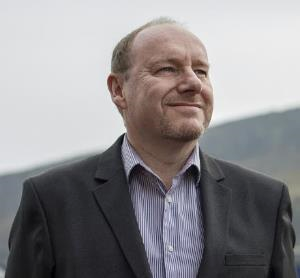
Dr John Ravenscroft
Chair of Childhood Visual Impairment
President, ICEVI - Europe
National Organization of the Spanish Blind (ONCE): Week-long French Language & Cultural Immersion in Nantes, France
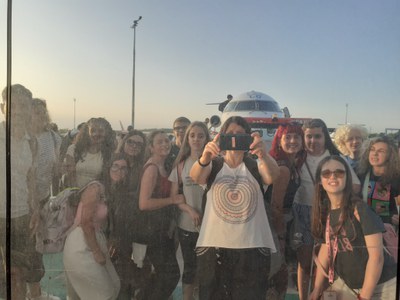
A group of eleven students from the National Organization of the Spanish Blind (ONCE), along with four adults, embarked on an educational and cultural adventure in Nantes (France) last summer (June 22-27). The activity was included in the Language Programme that the Head of Education, Employment and Braille Department of ONCE organized for the last academic course (24/25).
The ASTEX company acted as the intermediary between ONCE and the Institute Francophonie in Nantes to help with the organization of this amazing language course.
Ten girls and one boy between 13 and 17 years old with visual impairment and blindness, had the opportunity to find out about one of the most beautiful cities in north western France. At the same time, they were able to improve their French language in an accessible environment.
The International Centre Séjour Nantais Le Spot is a modern residence inaugurated last year, located in the centre of Nantes. It was the temporary residence of the students during the program.
Mornings were dedicated to language classes organized by the Institute Francophonie. Language classes included practical and oral methodology (focused on oral fluency and grammatical aspects) and were designed to solve the specific needs of the group, which was divided in two. Teachers prepared the sessions, and their accessibility was guaranteed thanks to Language Specialists of the Education Resource Centre of ONCE in Seville.
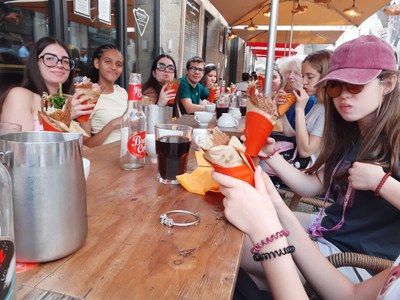
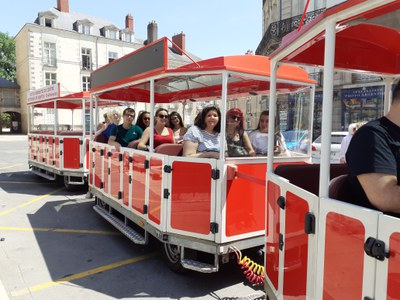
The agenda for this trip was carefully designed to include education, culture and leisure. The first day, students began their adventure with a walking tour of the city of Nantes and tasted the city's traditional dish: galette bretonne. Then, they took a fun little train tour through some of the attractions of the city, before returning to the residence to have free time after a long day.
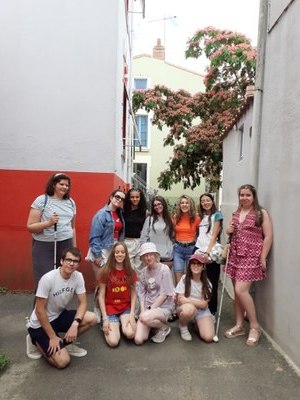
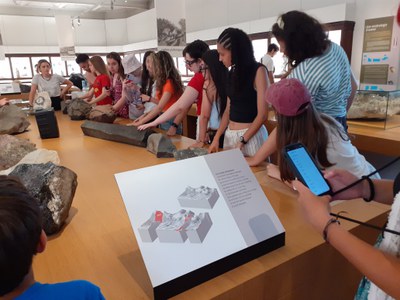
The three hours daily classes began the second day, with a half-hour break. After that, they visited the Museum of Natural History, where a young historian welcomed the group with explanations about different types of rocks, animals, fossils, etc., which they were able to touch. The skeleton of a whale which died barely 30 years ago and still had a little of its famous fat on its ribs attracted the attention of the students. After the museum activity, they moved to the picturesque and colourful village of Trentemoult by a small boat.
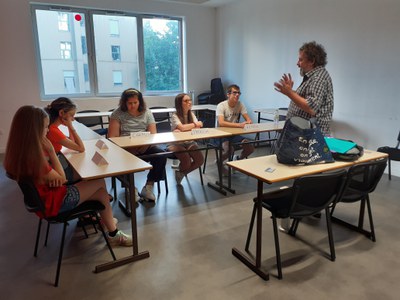
The second day, they visited the Dukes of Brittany Castle and the Museum, where students were able to immerse themselves in the history of slavery in the eighteenth century, using the senses of smell and touch to identify food and objects from the West Indies, as well as tasting typical sweets of French Brittany. Next they visited the castle wall and enjoyed a delicious ice cream.
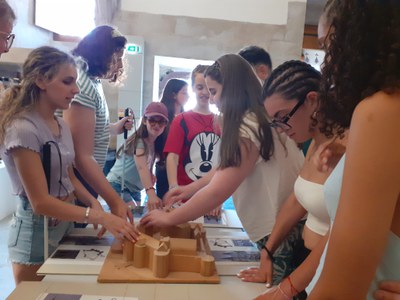
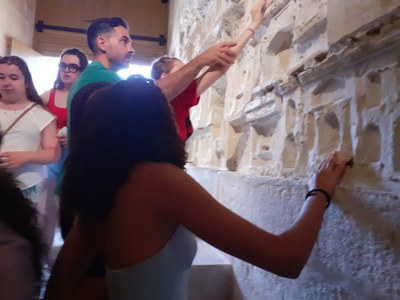
The third day, was dedicated to botany. Students had the chance to touch and smell a wide variety of plants, trees and flowers during their visit to the "Jardin del Plantes", an artificial park created in the eighteenth century with tree species from all over the world, hills, small lakes, grottos and birds. At the end of the garden visit, it was agreed to go and visit the Île de Versailles where they entered a wonderful Japanese garden.
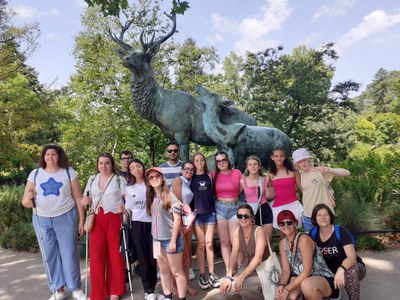
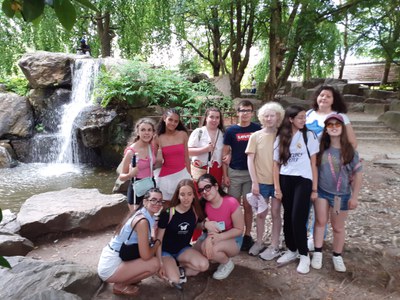
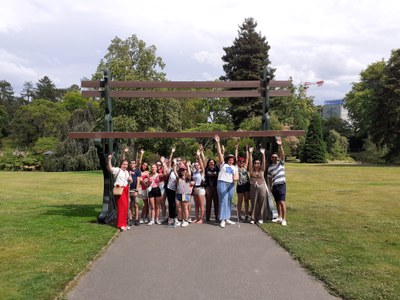
The fourth day was dedicated to souvenir shopping and students could relax and enjoy the simple pleasures of life, while practising French in local shops.
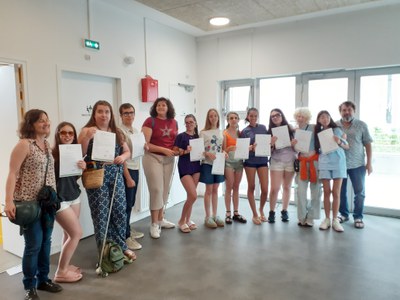
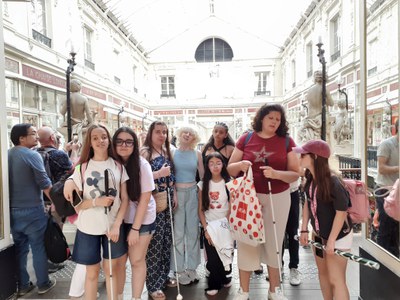
On the last day there were no classes in the morning and the students visited Les Machines de l'Île, where they were able to climb giant mechanical animals such as the spider, the heron and best of all, the large elephant, which took a half-hour tour round the park.
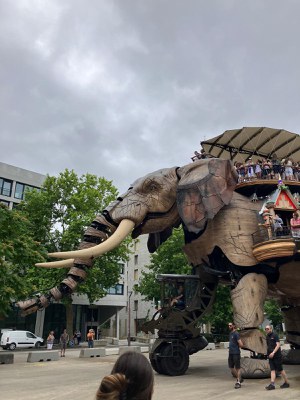
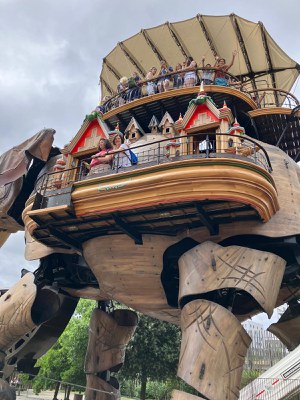
These activities not only allowed students to learn about the history and beauty of Nantes, but also gave them the opportunity to practise French in a real and significant context.
“Getting Ready for the New Course” Program for Developing School Based Skills
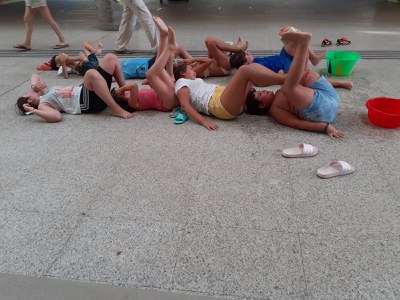
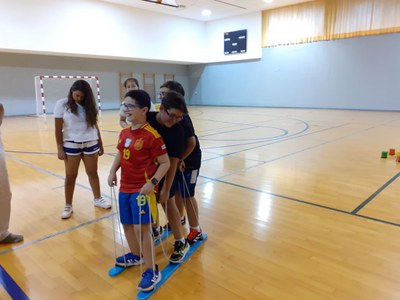
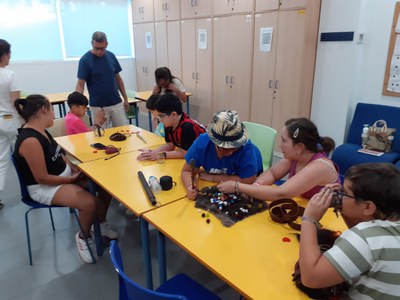
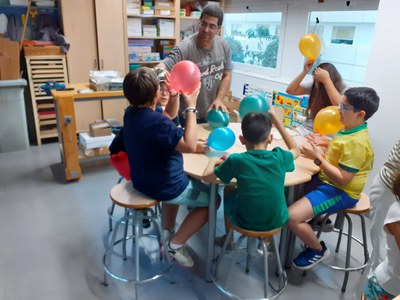
GETTING READY FOR THE NEW COURSE: the experience of students in a specific program for developing school based skills (September 2025)
For many people the summer break is too short, but there are others who think just the opposite! A group of students from once, the National Organization of the Spanish Blind, thought that summer holidays were too long and decided to get a little ahead by participating in the new program for developing school based skills called "Getting ready for your new course".
In the first week a group of seven students from Primary Education participated in this program and in the second week eleven students from Secondary Education took part.
Throughout the week, both groups improved and developed new tools and strategies that will help them to complete the school year successfully.
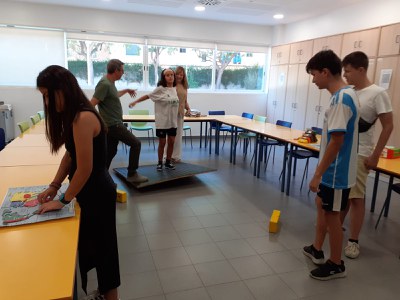
Both groups worked on two main areas in which students who are blind often encounter some difficulties: maths, due to the use of specific programs such as EDICO; and accessible technology the main medium for improving autonomy and access to information or knowledge.
The third area was different for each group, it was art for Primary school students, who needed to learn how to handle different tools and materials. In the case of the Secondary group, it was music with a focus on learning Musescore, a music editor accessible for both braille users and low vision students.
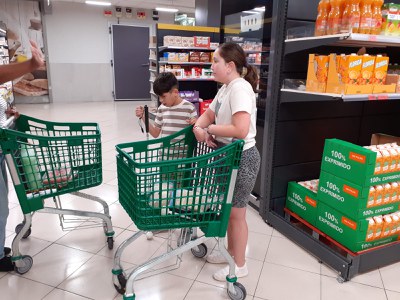
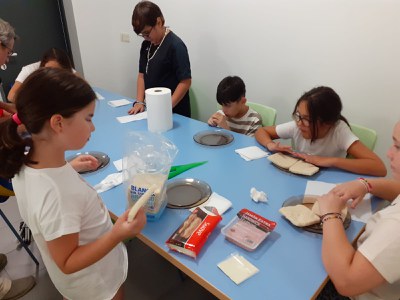
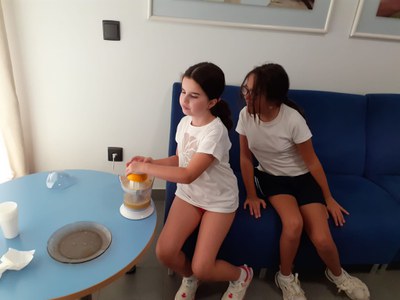
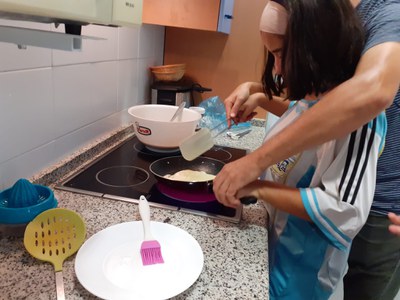
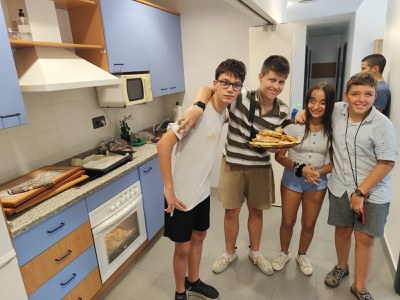
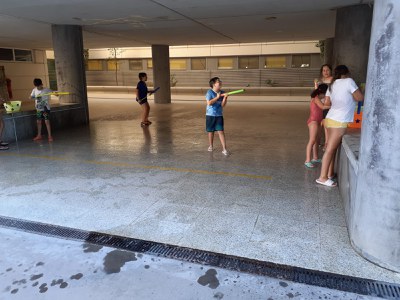
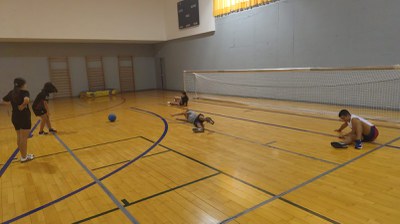
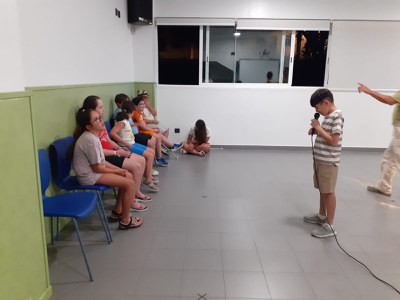
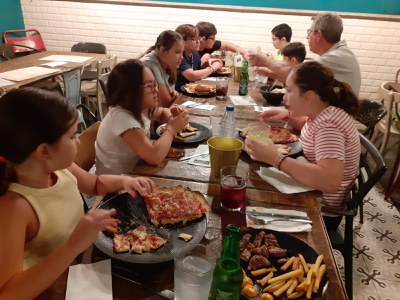
In the afternoon learning continued, but this time in a fun way, through interactions and activities that promoted daily life skills and social relationships. For example, our students had the opportunity to prepare their own snacks. Primary students enjoyed a great workshop on electricity while Secondary students did a workshop on earthquakes and safety measures. In other activities they were able to explore the usefulness of new technologies in the science laboratory and use them to differentiate between acids and alkalis in a battery of indicators. Finally, they participated a role-play games, tried some adapted sports such as Goalball and then got wet in amazing water games! They had also free time for playing Show Down, listening to music with friends or exchanging personal experiences.
IMAGE GALLERY
The First Inclusive Municipal Park in Padua "ALBERO DEL TESORO" is Now Open!
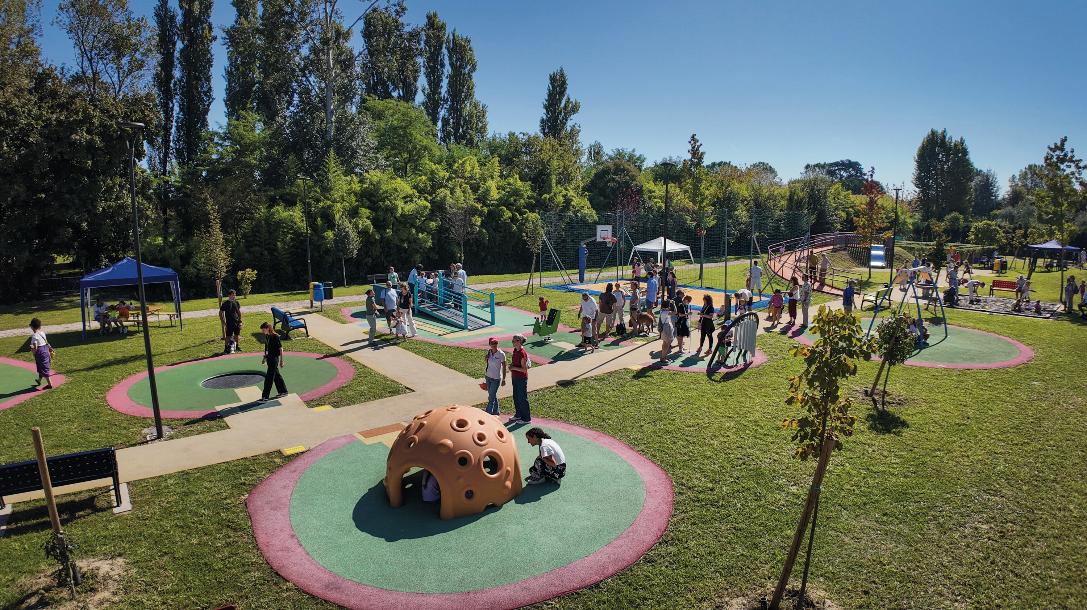
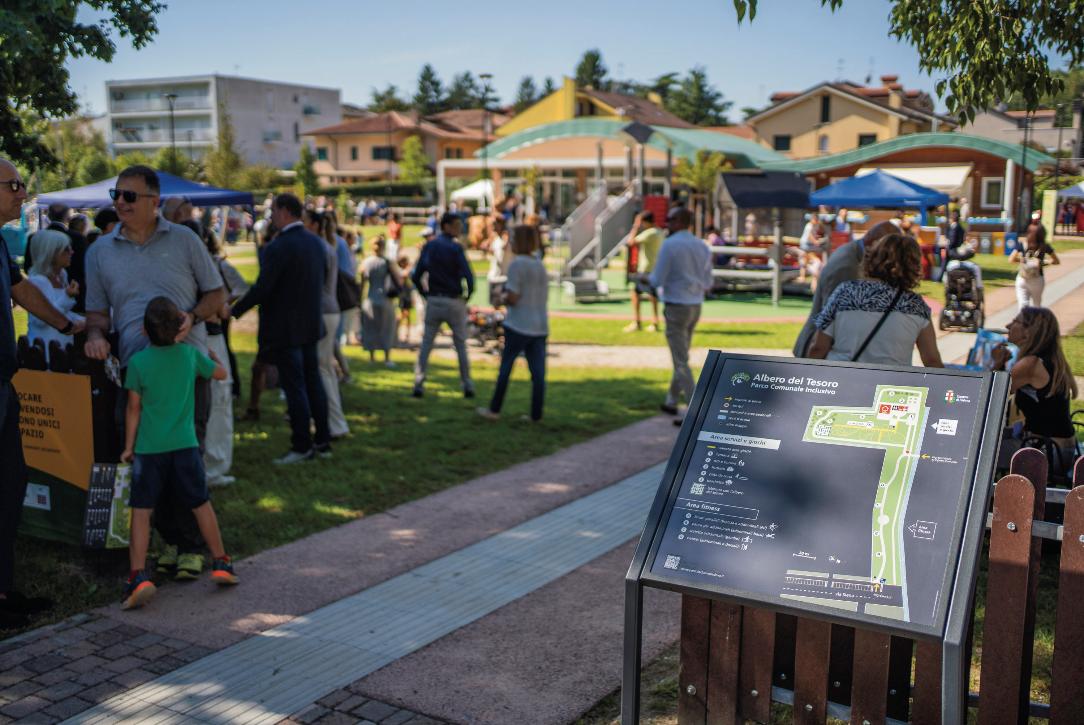
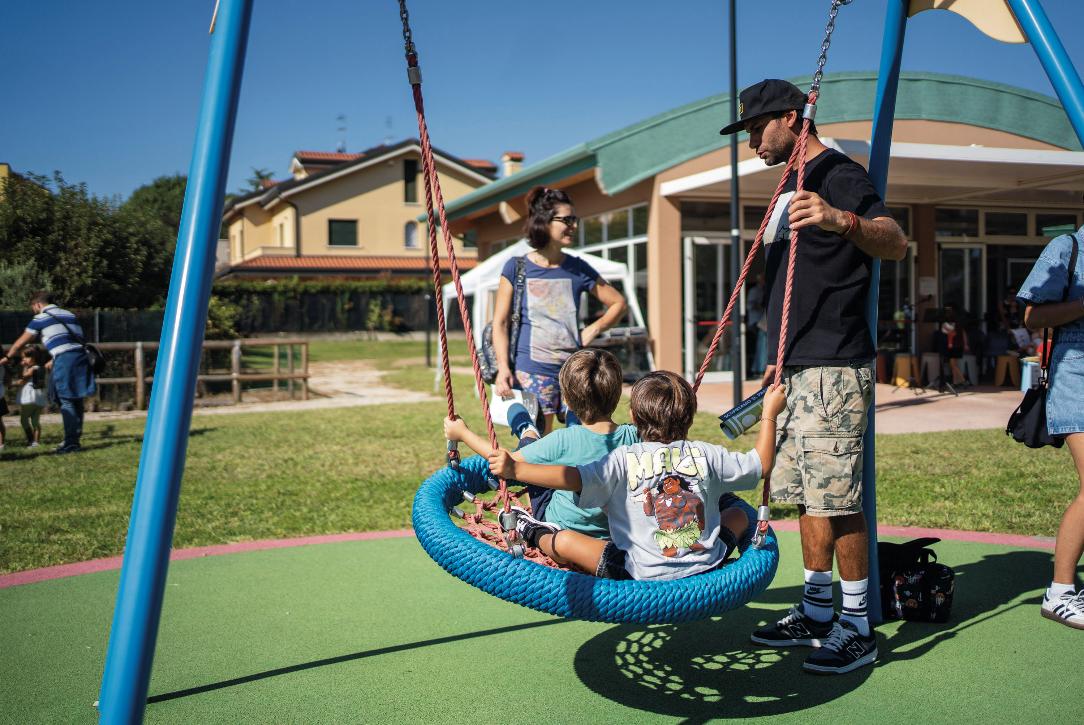
The inauguration of the inclusive municipal park "Albero del tesoro" this September, was a day of celebration for children and families. It was exciting for everyone, especially for those who, with passion, commitment and determination, contributed to the creation and development of this innovative project for a new park in Padua (Italy).
The public space is surrounded by greenery, and has been made inclusive and as accessible as possible: it has been designed to foster more welcoming and united communities.
The project, led by the Municipality of Padua and the Robert Hollman Foundation, was nine years in the making.
The co-designers were Anfass Padua, the Fiori Blu Association, the Pulcino Association, the Uniti per crescere Association, the Phoniatria Medical Center, the Coislha Social Cooperative, the National Federation of Institutions for the Blind of Padua, the Irpea Foundation, the Oic Foundation, the Polis Group, Irifor of Padua, the L. Configliachi Institute, Lega del filo d'oro of Padua, the La Nostra Famiglia Association, Uildm Padua, the Italian Union for the blind and visually impaired Padua and the University of Padua.
The park
"Albero del tesoro", covering an area of 9,000 square metres, is on the outskirts of the city of Padua and lies within the “green” heart of the Basso Isonzo. The project was inspired by the daily experience of the Robert Hollman Foundation, which for 46 years has been offering advice and support to visually impaired children and their families in Italy. It was inspired also by the principles of the 2030 Agenda for Sustainable Development, promoting the well-being of all people of all ages and meeting their own specific needs. Furthermore, in line with the UN Convention on the Rights of the Child, this public place aims to promote every child's right to play (Art. 31) without ‘any discrimination against children regardless of their disability’ (Art. 2).
The “Albero del tesoro” was co-designed from the outset with the involvement of 17 organisations working in the field of disability and social services and over 1,300 nursery and primary school children, ensuring that it would be a place dreamed of, designed and created by everyone for everyone.
In addition to the fundamental financial investment made by the Municipality of Padua for the construction of the park, almost all of the play areas, part of the sensory area and the social area were created thanks to donations from 16 profit and non-profit organisations and hundreds of citizens who generously contributed to the numerous fundraising initiatives organised over the years.
Facilities to promote play, well-being and relationships
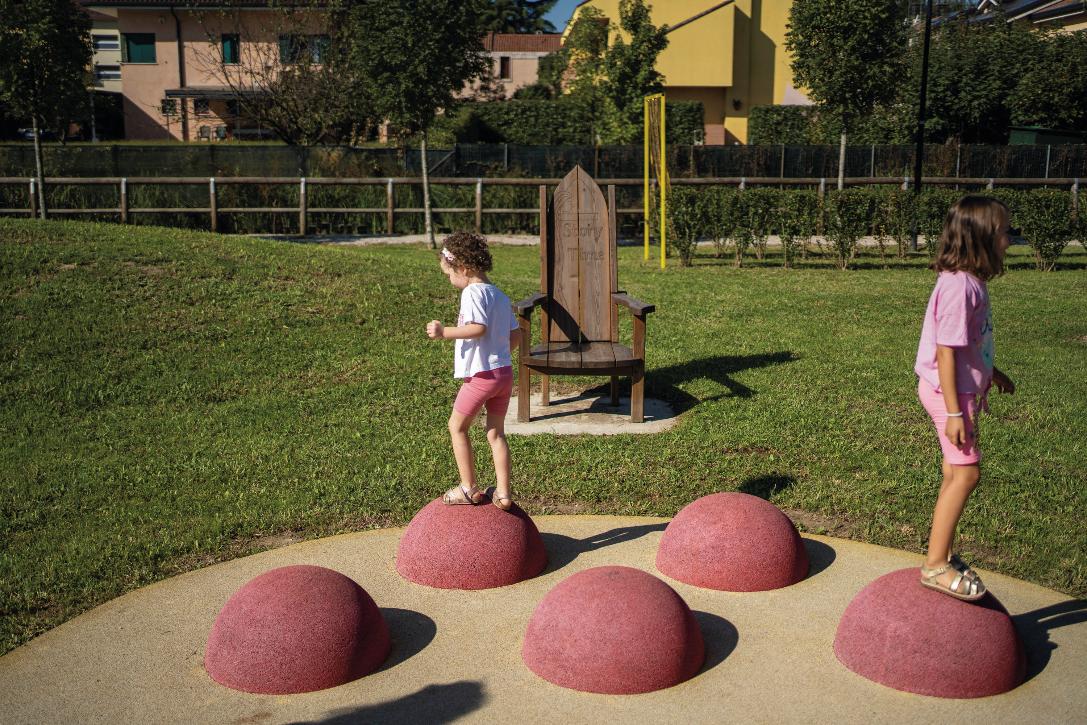
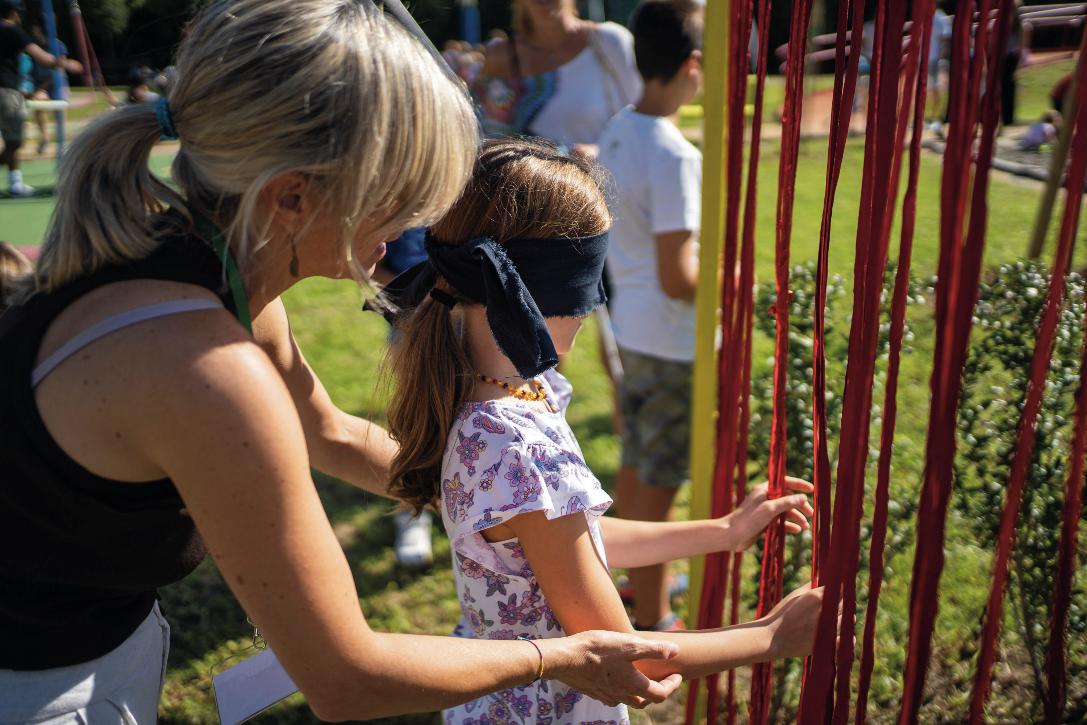
The green area consists of four complementary areas designed to meet different needs and make its use a unique, memorable experience. The play area offers sixteen different play experiences, so that each child can find the one that best suits them and their specific needs. The social area consists of a small square to encourage socialising, a 100-square-metre multipurpose room and a room for serving food and drinks. The sensory area is still taking shape as the plants grow and sound cues are installed but will contain raised beds with aromatic plants, an orchard and a maze. The fitness area has four stations accessible to people with motor impairments, and offers opportunities for outdoor exercise alone or in company.
The park has been designed with as many environmental aids as possible to facilitate orientation within it. For example, three tactile maps are located at the park entrances and another in the play area next to the gathering area.
Before entering the heart of the park, the path is marked by surface cues to help visually impaired people find their way around. The coloured paths in the play area wind their way along a geometric design composed of broken lines to facilitate the creation of a mental map.
The access ramps and the dimensions of the structures installed are suitable for wheelchair users and for the young and old. The play spaces have rubber safety flooring in different colours to help make it easier to identify each play area.
For further information please go to parcoinclusivopadova.it
Seeing Beyond Barriers: Inclusion and Awareness in Schools of Kosovo
The Association of the Blind of Kosovo continues to be one of the most important voices in advocating for the rights of blind and visually impaired individuals and in promoting inclusive education throughout the country. Through a series of well-structured activities, the Association has worked and continues to work on improving learning conditions and promoting the inclusion of blind and visually impaired students in mainstream schools. These programs aim to strengthen collaboration between teachers, specialists, trainers, and parents, creating bridges of communication and understanding that support the full development of every child’s potential. The primary goal remains the creation of an educational system that sees each student in terms of their abilities and opportunities, rather than through their limitations.
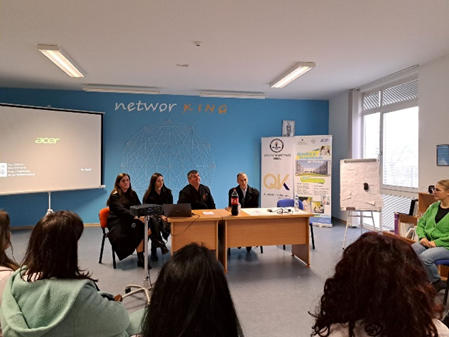
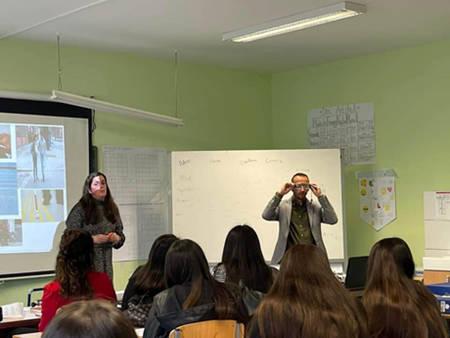
During the lectures, participants had the opportunity to immerse themselves in the world of the Braille alphabet, try out the white cane, and become familiar with assistive devices that enable blind and visually impaired individuals to move and communicate independently. For many students, it was their first opportunity to witness how their blind peers read, write, and learn using alternative methods—an experience that fascinated them and left them with a sense of respect and admiration for their abilities.
The Association of the Blind of Kosovo has continued its uninterrupted commitment to supporting inclusive education for blind and visually impaired students. As part of this effort, Orientation and Mobility trainers, together with Braille literacy trainers, have conducted a series of training sessions and meetings with teachers, students, and parents in various schools across Kosovo.
The main goal of these activities was to support the development of independence skills among blind and visually impaired students, helping them participate more actively in school and community life. At the same time, these meetings aimed to raise awareness within the school community about the needs and potential of blind and visually impaired students.
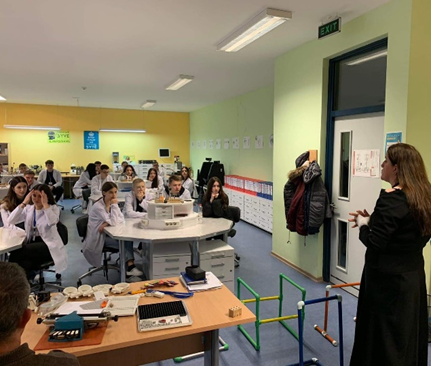
Participating teachers and students gained first hand insight into the challenges faced by blind and visually impaired individuals, as well as the assistive tools and practical methods that enable fuller inclusion in the educational process. These activities strengthened collaboration between schools, parents, and professionals, contributing to the creation of a more inclusive and equitable learning environment for all students.
During the lectures, participants were given the opportunity to immerse themselves in the world of the Braille alphabet, try out the white cane, and become familiar with assistive devices that enable blind and visually impaired individuals to move and communicate independently. For many students, it was the first time they witnessed how their blind peers read, write, and learn using alternative methods—an experience that fascinated them and left them with a sense of respect and admiration for their abilities.
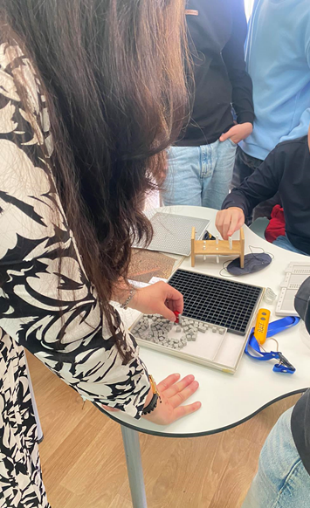
These meetings not only helped students understand the challenges and abilities of their peers, but also created a warm atmosphere of understanding and empathy. Through experiences like these, the Association of the Blind of Kosovo continues to build bridges between different worlds, instilling the values of inclusion, equality, and diversity in every school and in the hearts of the school community.
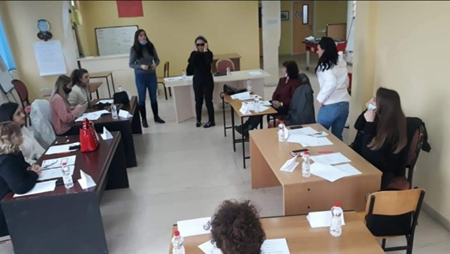
Beyond the practical aspect of the training, these programs also have a strong social impact: they build bridges of communication between children with and without visual impairments, raise teachers’ awareness, and positively influence community attitudes. Every step toward full inclusion—whether it is a teacher learning the Braille alphabet or a student assisting their blind peer—is a step toward more equitable education and a more humane society.
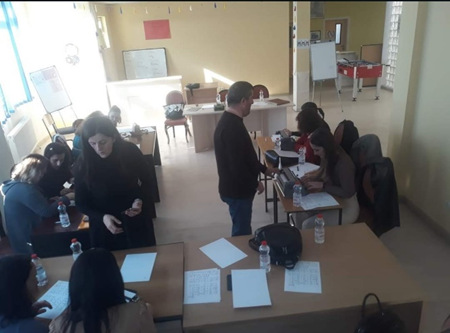
The Association of the Blind of Kosovo remains committed to continuing this mission, promoting quality, accessible, and equitable education for all. Inclusive education is not only a legal obligation, it is a value that enriches our entire society and creates opportunities for every child to reach their full potential.
Valdete Hoxha
Association of the Blind of Kosovo
Orientation and Mobility Specialist
European Blind Union (EBU) - A Report from the International Computers and Communication Camp (ICC)
Faruk Demir, a member of the EBU Youth Forum and previously a volunteer for Views International sent this report from the ICC camp this summer:
This summer I attended the International Computers and Communication Camp (ICC) 2025 for the very first time. What made it even more special was that I wasn’t there as a participant, but as an instructor to share and inspire with my experiences. I went in curious and a little sceptical, and came back convinced of its value.
So to start, what exactly is ICC? It’s a summer camp for blind and visually impaired young people between the ages of sixteen and twenty-one, and it offers a 9-day period packed with learning, exchange opportunities, and fun. Participants can attend workshops that cover a wide range of topics such as technology and programming, daily living skills like cooking, educational and career-related issues such as studying abroad or finding a career, and disability and personal advocacy.
Every year it takes place in a different country, and this year’s event was in Aveiro, Portugal. I guess at this point, I don’t even need to mention that I tried pasteis de nata and other delicious pastries that Portugal offers extensively!
But ICC is not just about the workshops, or learning (or pastries in my case!). It is also a truly international meeting point. Young people come from across Europe and sometimes from much further away, this year, for example, even as far as from Japan. That means it is as much a cultural exchange as it is a learning camp, with good practices in accessibility and disability rights being shared across borders.
Of course, there was plenty of time for fun too. The evenings were filled with activities like dancing classes, painting sessions, treasure hunts, and even making local sweets. Learning and growth were at the centre of the program, but joy and friendship took the front seat just as much.
As for my own role, I represented the European Blind Union and co-led a workshop on studying abroad together with Paraskevi, another travel and study-abroad enthusiast. We shared our personal experiences of studying abroad, talked about how to plan a semester or two in a different country, and gave practical tips on everything from mobility and accommodation to funding and accessibility.
Later, I also joined Paraskevi’s workshop on languages and language-related professions, where I introduced participants to computational linguistics, human machine interaction, and artificial intelligence. The curiosity in the room was palpable, and the conversations were so passionate that we barely stopped it from spilling beyond the official workshop time. Beyond my purpose to be there, I loved meeting people from so many different places, exchanging stories, and getting a sense of the vibrant community that ICC aims to foster.
At first, I’ll admit, I wasn’t sure whether such a concentrated week of workshops could really make a difference in the long run. But seeing the participants engage, hearing their thoughtful questions, and watching their confidence grow day by day quickly changed my mind. It seems like ICC creates an environment where young people don’t just absorb knowledge, they also meet role models, discover concrete opportunities, and realize that paths which once seemed distant or impossible or unimaginable are actually possible.
The social side of the camp only strengthens this effect. Friendships formed at mealtimes or during evening activities often become just as valuable as the lessons learned in the workshops.
Looking back, I can say that ICC 2025 was a unique experience. For me, it was both rewarding and inspiring to contribute as an instructor, and for the participants it was clearly a chance to grow in ways that will continue to matter long after the camp ends. If you’re blind or visually impaired, between sixteen and twenty-one, and curious about technology, independence, study or career opportunities, or simply the chance to connect with peers from all over the world, I can definitely recommend applying to ICC next year. It’s a week that can open doors, expand horizons, and leave you with friendships and memories you’ll carry for a long time.
For further information please contact: ebuinfocom@euroblind.org
Promote the Inclusion of Students with Visual Disabilities Inside and Outside their Educational Environment through Collaboration with Entities: Awareness-raising, Training, Accessible Resources, Methodologies.
Name: M Teresa Corbella Roqueta
Position: ICT Service Coordinator and ICT Professor Institution: CRE ONCE Barcelona
Address: Gran Via De Les Corts Catalanes, 394, 08015 Barcelona, SPAIN Telephone: +34 617324155
Email : mtcr@once.es
Name: SÍLVIA BOIX HERNÁNDEZ
Position: Tiflotecnology and Braille Instructor Institution: CRE ONCE Barcelona
Address: Gran Via De Les Corts Catalanes, 394, 08015 Barcelona, SPAIN Telephone: +34 620935971
Email : sbh@once.es
KEYS WORDS: Accessibility, inclusion, collaboration, training, resources.
1 Summary
This project shows collaboration with schools, organizations, and companies involved in the educational context of students with visual impairments. Through training and advice for professionals, technicians, and teachers, it aims to improve the accessibility of digital educational contents, teaching materials, and the training activities they offer in their daily work. It presents examples and methods of collaboration with IBEC (Institute of Bioengineering of Catalonia), IOC (Open Institut of Catalonia), Micro:bit, Scratch Jr. tactile, Education Catalonia Department, etc. Working for inclusion and accessibility, making visible their needs in the society.
2 Introduction
Making educational resources, tools, and materials accessible to all students with visual impairments (both inside and outside the school environment) is a crucial step toward fostering an inclusive society.
This project seeks to address fundamental questions: How can physical and digital materials be made accessible not only within the classroom but also in other educational settings? How can we ensure that school visits, workshops, and activities are inclusive for all students?
Many organizations (museums, scientific centers, etc.) promote their work by designing educational proposals and activities to make themselves known in their community. What happens if there is a blind student in the school group? Are these activities inclusive?
The administration and other private organizations encourage participation in robotics and programming contests and challenges, STEAM activities, etc. Who is thinking about accessibility? Can students with visual impairments participate with equal opportunities?
The learning context for students is no longer focused on the school environment; it has expanded in this increasingly complex world. Learning is continuous, and inclusion and accessibility criteria must be extended to this global environment.
3 Key objectives
To promote the inclusion of students with visual impairments both within and outside of the educational environment, we aim to work with several objectives:
• To raise awareness about the need for accessible and inclusive educational environments.
• To promote the inclusion and autonomy of students with visual impairments in activity proposals in and outside of school.
• To ensure the accessibility of physical and digital materials in various educational contexts.
• Establish contact with students' educational environments and establish collaborations with schools, organizations, companies, etc.
• Listen, raise awareness, educate, and exchange ideas, strategies, and work methodologies to create accessible learning resources.
• To share best practices in training, collaboration, communication, and mentoring among teachers and professionals to promote the inclusion of students with visual impairments.
4 Methodologies and work strategies
The methodology employed in this initiative is based on establishing connections with various organizations and companies, gaining in-depth knowledge of their activities, resources, and materials, and providing training in accessibility.
We achieve our goals through specialized courses, consulting services, and presentations at educational and technology conferences. In fact, our goal is to be actively present in all areas related to education.
Throughout the project, we organized collaborative activities, engaging both students and members of different institutions. These activities provided participants with firsthand experiences in accessible digital environments and highlighted the importance of inclusion.
We offered training both remotely and in person, tailored to the needs of the diverse groups involved.
How to network?
• Attending conferences, talks, and events organized by the educational community offers the opportunity to see latest trends in education and to challenge speakers, companies, publishers, and event hosts about the accessibility of their proposals. The goal is to raise awareness about equity and inclusion (Edtech Congress, Changing Education together at MWC25, STEAM.CAT, Micro:bit live Barcelona and Madrid, Scratch Conference 2023…)
• In general, the educational environment is open to improvements and inclusion proposals. With educational materials used in “classroom” (digital books, robotics, apps, educational projects, etc.), we offer our collaboration and advice to the enterprise or entity to review accessibility with guidelines for improvement. (Ex. Innovamat publisher, IBEC, UPC Codicrak program, HENKA emotional wellness program, …)
• The Resource Center also facilitates evaluation tests of adapted materials and products for students with visual impairment. Students can participate in the design of new educational products, providing their feedback on accessibility and usability. (Ex. Scratch Jr. tactile, new prototypes like QUARVIS, etc.)
• Establish collaboration agreements with centers that provide online training and host students with visual impairments. We offer specific training and advice in their respective settings (IOC Open Institut of Catalonia, EIM Modern Language School, etc.).
• Our agreement with the Catalan Government Administration allows us to provide specific training for ordinary schoolteachers, as well as general training for the entire educational community (Accessibility online course, STEAM for everybody).
• We participate in technology working groups so that future decisions include inclusion and accessibility issues (Scratch meet up in Barcelona, Accessibility group of Catalan Government, …).
How should we face the challenge?
• An open, positive, and collaborative attitude is important.
• Understanding the drawbacks of completed products and offering improvement ideas for new versions.
• Maintaining ongoing follow-up and contact with stakeholders at various institutions so they consider us for future projects.
• Being part of the solution and offering advice.
How do we manage training and counselling services?
• We offered training online and in person, adapting to diverse groups' needs.
(accessibility courses, steam for everybody, …)
• Sometimes we divide for levels (kinder garden, primary or high school), sometimes for visual impairment (low vision, blind), according to different matters (languages, science, math, robotics, STEAM…) etc.
• Use simulation glasses to put teachers in the situation of a visual impaired student, has helped them to understand the challenges faced by students with disabilities and to adapt their methods to facilitate inclusion.
• Principle items:
- How visual impaired students use specific technology to access digital education contents.
- How to teach with visual impaired students
- How to design accessible digital contents: writings, presentations, canva, genially, platforms like classroom, Moodle, …
- How to evaluate the proceedings in ICT of a visual impaired student.
- What kind of resources we need to enhance comprehension of concepts (tactile maps, 3D models, building instructions for robotics, coding…).
5 Examples of our best practices
In this presentation, we present our best practices developed working with teachers and professionals from public schools and institutions (IOC, IBEC, Innovamat, etc.), collaborations with organizations and companies (Micro:bit, Scratch Jr Tactile, etc.), and show educational materials, methodologies, and practical examples of working with visually impaired students.
5.1 Scratch Jr. Tactile. Testing an inclusive programming product
In XXX, we began a consultancy with the company Sistema Thead to enhance the accessibility of the Scratch Jr. Tactile product (https://www.scratchtactile.org/en). We conducted tests with visually impaired students from the Resource Center (CRE). With the specialists from SARDT (Resources Adaptation Service) and the ICT Service (experts in accessibility and material adaptation), we offered recommendations for improving the game (improve contrast between figures, tactile relief of the pieces, …) and the website accessibility.
As a result, they developed an inclusive product designed to introduce students to robotics and programming. This hands-on, tactile version of Scratch Jr. serves as an accessible alternative to the Scratch Jr. app, which is not suitable for students with blindness. The product includes Braille instructions and accessible QR codes with information.
Additionally, we contributed to the product’s dissemination by involving blind and low-vision students in activities, accessibility awareness events, and in the Scratch Conference 2023.
Through these collaborations, we joined the Scratch Meetup Group in Barcelona (1 session) to further accessibility improvements programming Scratch.
• Access to the presentation of the game with the participation of visual impaired students of the CRE https://www.youtube.com/watch?v=eVzOe4_GAeE(min 1)
• Scratch Conference 2023: Including Diverse Learners with Scratch Jr Tactile
• https://www.youtube.com/watch?v=kuyaRPFF7Lo (10:09)
• Bofill Foundation. Scratch Tactile Day. https://www.youtube.com/watch?v=W4Scag9F5G0 (min 9:13)
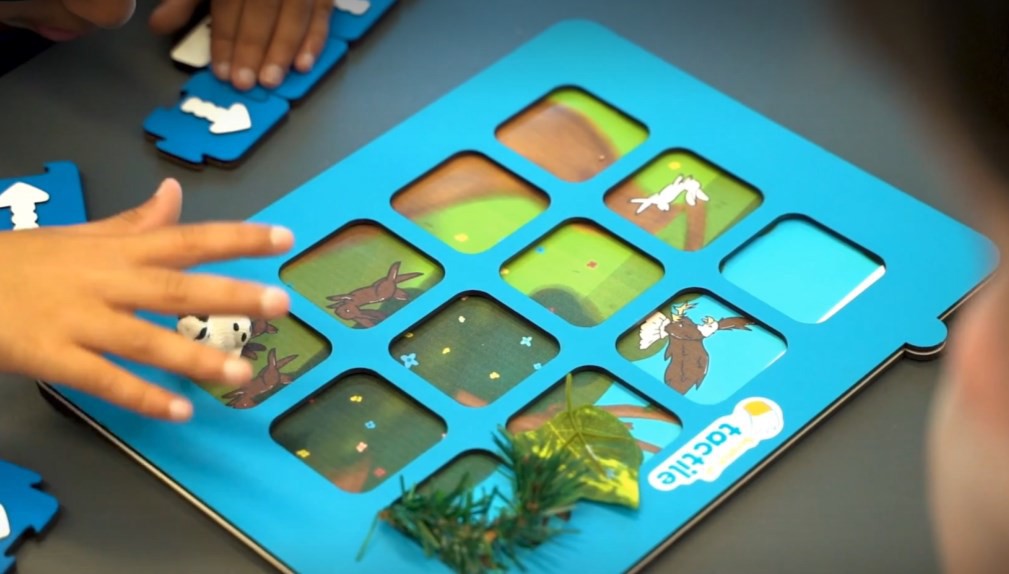
Illustration 1 Scratch Jr Tactile
5.2 Micro:bit Live Barcelona and Madrid. Participation in technological events
Continuing our collaboration with Sistema Thead, we were invited to participate in Micro:bit Live Barcelona (Nov. 2023), an opportunity to raise awareness within the educational community about the accessibility features of the Micro:bit board.
During our presentation, we outlined the key criteria for creating accessible programs for students with visual impairments. We also demonstrated how a blind student can successfully program the Micro:bit board using python.
Working with Micro:bit with visual impaired students, video presented in the Micro:bit Live Barcelona https://www.youtube.com/watch?v=cL2JSzqroKY.
At the Micro:bit live Madrid we took the opportunity to speak directly with those responsible for the Micro:bit board in the UK and discuss the accessibility options for students with blindness.
Micro:bit Live Madrid 2024. Accessibility and inclusion with students with visual impairment. https://www.youtube.com/watch?v=21GkBTe9_ZI
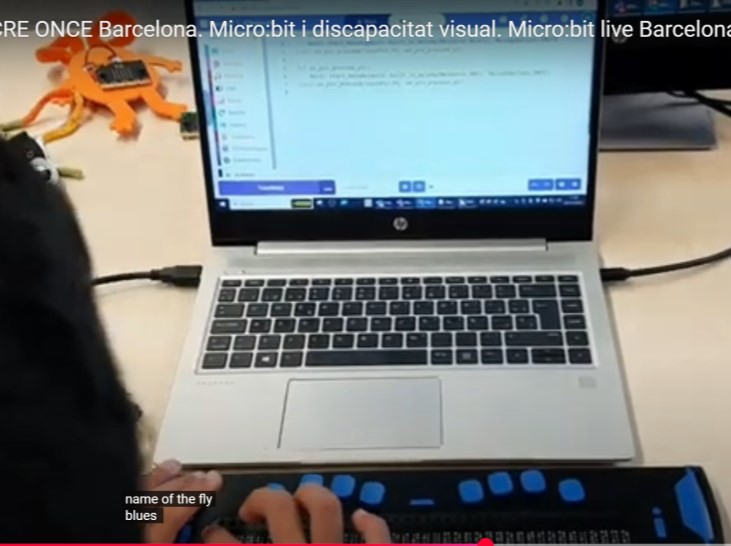
Illustration 2 Micro:bit. Programming with python
5.3 IBEC (Institute of Bioengineering of Catalonia). Collaboration with scientific institutions and their educational programs
In 2023, as part of the IBEC project "Inclusive Science: Promoting Diversity in Science Education," which aimed to foster inclusive education in science outreach activities, we worked with IBEC to ensure access to scientific culture for all children and adolescents, regardless of their learning needs. (https://ibecbarcelona.eu/society-and-science/inclusive-science/)
Its objective was to ensure the accessibility of its program of activities aimed at schools. Specifically, the study of cells and their observation under a microscope.
The CRE collaborated with IBEC in organizing a course focused on the accessibility and usability of STEAM (Science, Technology, Engineering, Arts, and Mathematics) educational activities for students with visual impairments (low vision and blindness).
Through this course, we equipped educators in the scientific field with tools and resources to understand the technologies visually impaired students use to access information. Additionally, we provided recommendations for creating accessible digital materials, such as 3D models, the EDICO math accessible editor, workflow voice descriptions, tactile graphics, etc.
Following this, we joined IBEC in conducting a pilot test of the project, which included a workshop and a guided tour of IBEC's facilities for CRE students aged 12 to 16 with visual impairments. This allowed the students to explore the world of bioengineering and scientific imagery (an area that is often out of their reach). The experience was deeply enriching for both the students and our professionals.
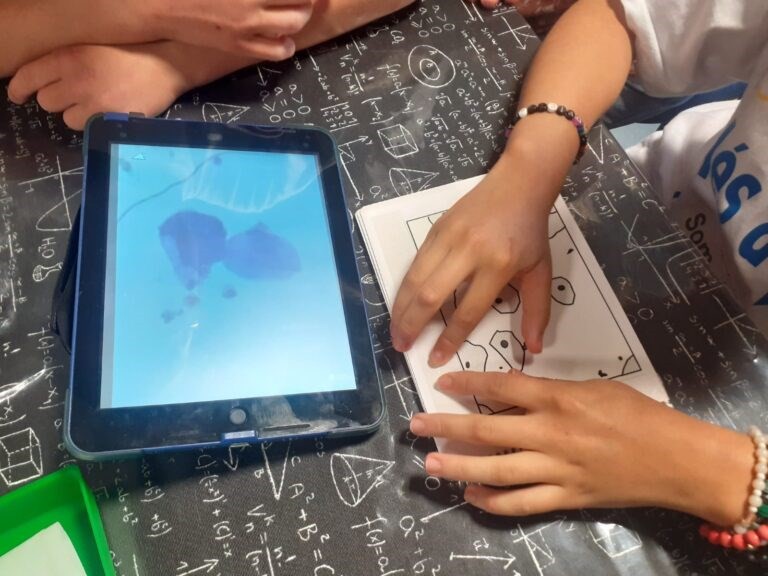
Illustration 3 Exploring a cell.
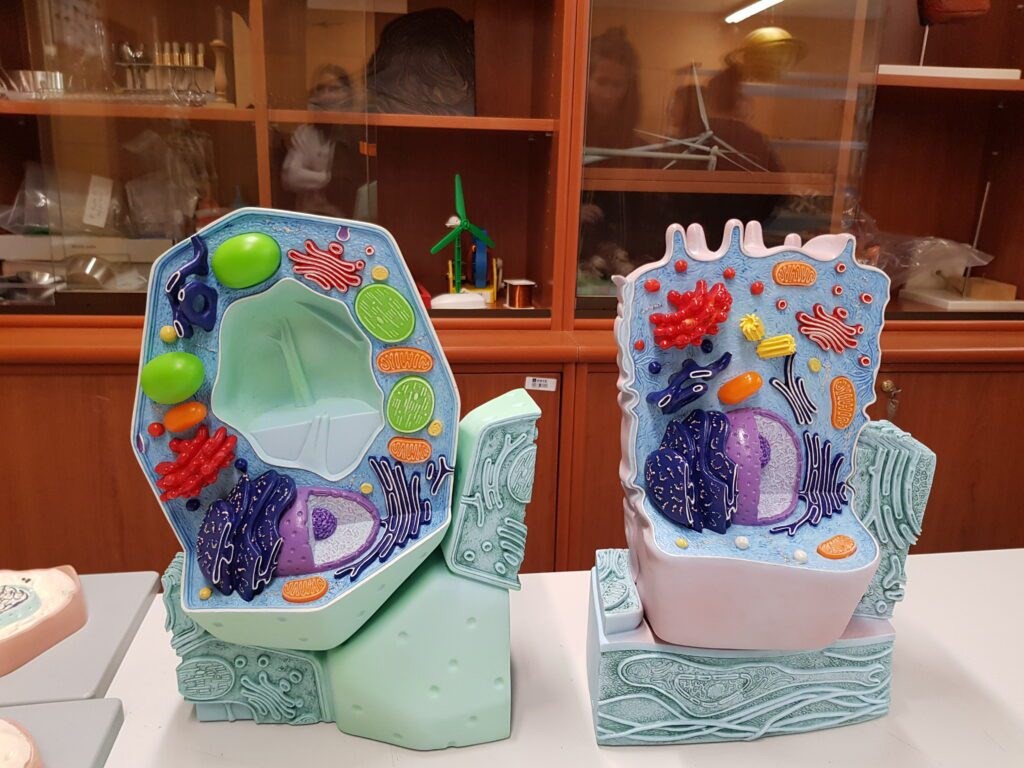
Illustration 4 3D model of a cell
5.4 IOC (Open Institut of Catalonia). Collaboration agreements with institutions
As a result of the number of students with visual impairments who, for various reasons, decided to pursue secondary and higher education studies remotely and therefore enrolled in the IOC (Institut Obert de Catalunya), the need arose to reach out to the institution. https://ioc.xtec.cat/educacio/
IOC is an institute under the Department of Education of the Generalitat (Catalan Government) and is made up of teachers from all fields and areas. Students can study for secondary school, baccalaureate, various vocational training courses, as well as intermediate and advanced training courses.
Due to the characteristics of this institution (its online learning) it offers a distance learning content structure and everything a school entails: uploaded materials, assignment submission and collection, calendars, etc., all developed within its platform.
Over the years, some of our students with disabilities, especially those who are blind, have needed to work with the school's educational service coordinators to address accessibility issues, regardless of their abilities to access the platform's content.
Initially, the advice was directed at the specific needs of each student, until the possibility of including and delivering accessibility training was considered, specifically aimed at the teachers who teach the students, with the aim of providing them with the necessary knowledge to produce accessible documentation, and also to raise awareness about the potential difficulties that a person with a disability may face when completing all the tasks involved in studying online.
Three sessions were held during the month of March 2023, distributed as follows: 1 general session for all teachers at the institute, 1 session for language teachers, and another for science and math teachers. This allowed for adaptations to each group, and accessibility information was considered necessary.
Technical meetings were also held to analyse the platform's accessibility and provide advice on the design of multimedia content.
As a result of this training, students studying at this institute enjoy better adapted materials, and their teachers better understand the effort required due to their disability.
Publication of the training program (https://ioc.xtec.cat/educacio/20-latest-news/1153-formacio-once) and items of the course (https://educaciodigital.cat/credv/moodle/course/view.php?id=5953)
5.5 Fisidabo Activities. Collaboration with educational activities organized by universities and other entities
Every year, when our integrated students finish their studies in the summer, we organize four-day get-togethers for around 20 children with blindness and low vision. In June 2024, they were organized around the STEAM theme.
We wanted an activity that involved applying STEAM skills and included outdoor activities with recreational content.
We found information about an activity that takes place in an amusement park in collaboration with the UPC (Polytechnic University of Catalonia), the Physics party. (Fisidabo, the Physics Festival at the TIBIDABO Amusement Park, is an educational project created jointly by the Barcelona City Council/Tibidabo Amusement Park and the Degree in Physical Engineering of the Barcelona Higher Technical School of Telecommunication Engineering of the UPC.) https://fisidabo.upc.edu/ca
We contacted the person in charge of this activity, and after explaining the objective of our work in ONCE, he joined us. We focused on the physics of the Pirate Ship ride. Together with members of his team at the UPC, he designed a 3D model mounted on a structure that allowed students with visual impairments to study the concept of measuring the ride's oscillation period, also they used an
accessible measurement app, and performed calculations with EDICO (accessible math editor).
The students were organized into four groups, and they rotated through the various activities, including one developed by the UPC professor. STEAM experiences were also conducted, studying the physics and biology of other attractions.
The culmination of this work was a visit to the amusement park, where various CRE profession als, along with the UPC professor, used the ship models to create a reminder of what they had previously studied, and then boarded the Pirate ship attraction.
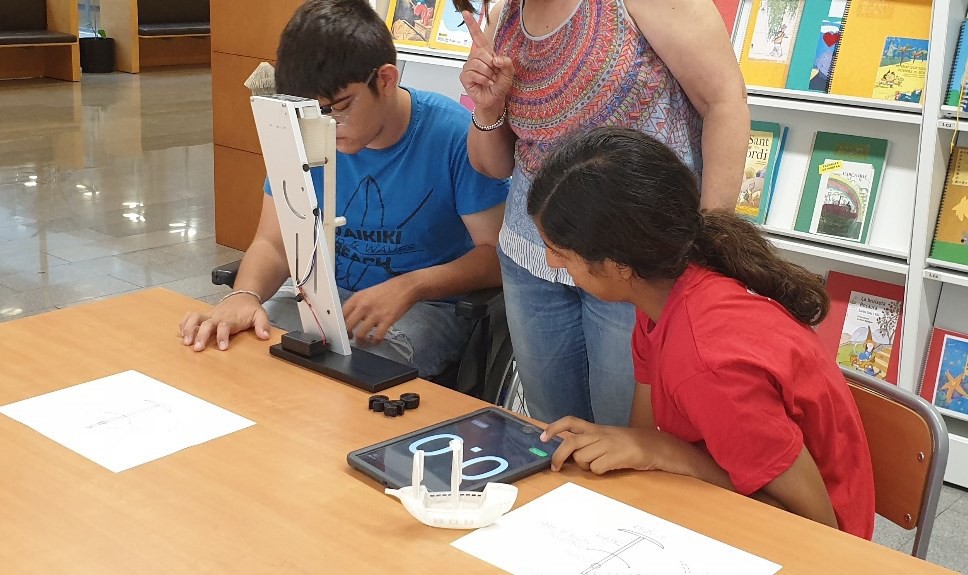
Illustration 5 Model 3D of the Pirate Ship attraction
6 Projects in development
We are working in other projects with de educational community. Henka has a program aimed at secondary schools that works with students, the educational community, and families to improve their emotional well-being and prevent mental health problems. https://www.behenka.org/ca/centres-educatius. One of this schools has a blind girl, and they need to improve the accessibility of this program to be inclusive.
UPC foundation has the CodiCrack program that offers free after-school activities and summer camps to learn how to use technology creatively and safely. https://codicrack.upc.edu/. We are testing the accessibility of this program to introduce our visual impaired students on these activities.
However, we want to highlight a project that we are working on, and we believe that it can go a long way in raising awareness in the educational environment: Mschools Awards (GSMA).
One of the projects we are very excited about is participating in the MSchools Awards. https://mschools.com/challenge/mschools-awards-2025/
These awards recognize educational proposals from schools that promote the use of technology in various areas, one of which is inclusion and social well-being.
We believe it would be very interesting to share the constant work we do at our Resource Center to help students use technology as a tool that allows them to be included in their educational community with the rest of the students as part of the awards. Thanks to ONCE professionals, our students have adapted and accessible materials, or possible alternatives, so they can develop robotics and programming projects, like how their peers without visual impairments do.
Therefore, presenting the materials and the various projects developed within the framework of MSchools would be a way to show that if you have the necessary resources, access is possible.
7 Conclusions
The results and findings of this project have been significant.
There has been a noticeable increase in awareness and sensitivity within society regarding the need to create accessible educational environments.
The training provided has helped educators and other participants better understand the challenges faced by students with disabilities and learn how to adapt their methods and resources to foster inclusion.
This collaborative effort between public and private entities has laid the foundation for a more inclusive society that recognizes the importance of accessibility in education.
If we do not engage with our environment, change will either not happen or progress too slowly. Through our actions, we can accelerate this transformation. We must make ourselves visible and ensure that the need for accessibility and inclusion is fully understood.
8 Bibliography
Institute of Bioengineering of Catalonia. https://ibecbarcelona.eu/society-and-science/inclusive-science/ (visited 2/4/25)
La ONCE visita IBEC para conocer la investigación en bioingeniería para salud. IBEC News. 25-3-22 https://ibecbarcelona.eu/es/la-once-visita-ibec-para-conocer-la-investigacion-en-bioingenieria-para-salud/ (visited 2/4/25)
Ciencia inclusiva: atención a la diversidad en los proyectos de educación científica. IBEC News. 13-3--2023 https://ibecbarcelona.eu/es/ciencia-inclusiva-atencion-a-la-diversidad-en-los-proyectos-de-educacion-cientifica (visited 2/4/25)
IOC Institut Obert de Catalunya. https://ioc.xtec.cat/educacio/ (visited 2/4/25)
L’ONCE realitza formació als docents de l’IOC sobre accessibilitat als recursos pedagògics telemàtics. IOC News. 24-3-2023 https://ioc.xtec.cat/educacio/20-latest-news/1153-formacio-once (visited 2/4/25)
L’ONCE Catalunya forma a docents de l’Institut Obert de Catalunya en accessibilitat dels recursos pedagògics per a alumnes cecs. Boletín: Illusión 74 abril 2023. https://boletinnoticiascatalunya.once.es/es/w/formaci-c3-b3-docents (visited 2/4/25)
Fisidabo. UPC BarcelonaTech. https://fisidabo.upc.edu/ca (visited 2/4/25)
El proyecto Fisidabo, impulsado por la UPC y BSM, recibe el Premi Nacional de Recerca en comunicación científica. UPC BarcelonaTECH. 24-3-25 https://www.upc.edu/es/sala-de-prensa/noticias/fisidabo-upc-premi-nacional-de-recerca-en-comunicacion-cientifica (visited 2/4/25)
Sust, Toni. Cómo explicarle a un ciego lo que siente al subirse al barco “Piratta” del Tibidabo. El Periódico. 9-2-25 https://www.elperiodico.com/es/barcelona/20250209/explicarle-ciego-siente-subirse-barco-piratta-tibidabo-barcelona-114088697
Corbella Roqueta, M Teresa. Scratch Conference 2023: Including Diverse Learners with ScratchJr Tactile https://www.youtube.com/watch?v=kuyaRPFF7Lo (10:00)
Entrenar la resiliencia desde los centros educativos. Henka. Zurich Foundation and Sant Joan de Déu Barcelona-Hospital. https://www.behenka.org/es/centros-educativos (visited 2/4/25)
UPC BarcelonaTech. Sigues un codicrack! UPC https://codicrack.upc.edu/ (visited 2/4/25)
Horna, Jhonnatan. Qarvis Application of Universal Design for Learning and Digital Fabrication in the Creation of a Tool for Inclusive Teaching of the Ordering of Chemical Elements. https://www.esan.edu.pe/conexion-esan/nuestro-docente-jhonnatan-horna-publica-paper-en-el-journal-of-chemical-education (visited 2-4-25)
QARVIS Project inclusive learning of chemistry. 4-16-24 https://agora.xtec.cat/credv/portada/projecte-qarvis-aprenentatge-inclusiu-de-la-quimica/ (visited 2/4/25)
Canaleta, Xavi. QARVIS experience in CRE. https://www.linkedin.com/posts/xavicanaleta_molt- agra%C3%AFts-a-cre-once-barcelona-i-en-especial-activity-7174418763402919936-bz_o